Key Takeaways
- Pharmaceutical facilities can change faster than their property tax assessments.
- Historical cost may not reflect an asset’s present utility or taxable value.
- Modernization projects should account for assets that were retired, replaced, demolished, or displaced.
- Functional and economic obsolescence may not be captured by standard depreciation schedules.
- Proactive assessment reviews can identify values that no longer reflect current operations.
Written by: Brian Egy, CCIM, Vice President, Property Tax
Modernization, shifting production demands, and specialized assets can leave pharmaceutical facilities carrying taxable values that no longer reflect today’s operations.
Pharmaceutical manufacturing facilities are built to evolve. Production lines expand, move, or shut down. Laboratories and cleanrooms are modernized. New technology replaces equipment that was once essential. A facility designed around one therapy or manufacturing process may eventually support an entirely different product, platform, or production strategy.
While your facility may have changed, your property tax assessment may not have kept up.
Over time, that disconnect can become significant. Historical investment, specialized improvements, and equipment remaining on the books may continue to influence taxable value even when their role within the facility has materially changed.
For pharmaceutical companies making substantial investments across complex manufacturing portfolios, the question is not simply how much has been invested in a property. It is whether the assessed value still reflects what the property is worth and how it is being used today.
Complex Valuation Considerations
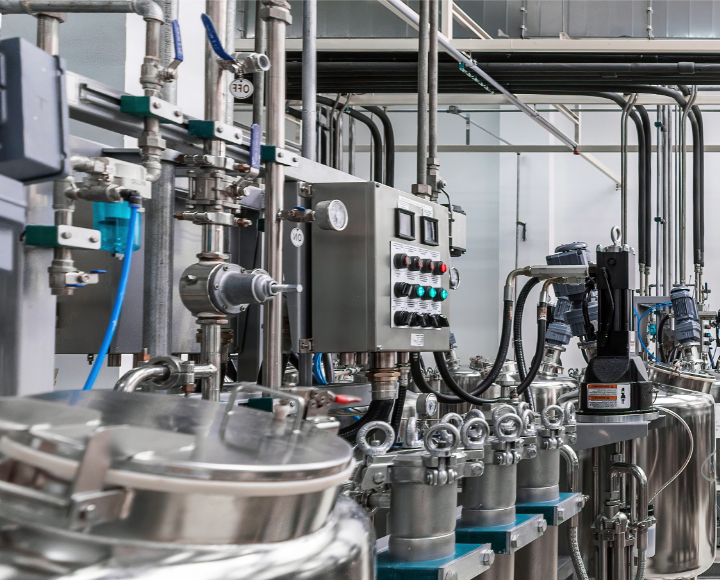
Pharmaceutical manufacturing environments are unlike conventional commercial or industrial properties. A single facility may contain specialized production and packaging lines, research and development laboratories, cleanrooms, process piping, environmental controls, utility infrastructure, temperature-controlled storage, and building modifications designed around highly specific manufacturing processes. Because these assets can be deeply integrated into the operation, determining taxable value is more complex than reviewing historical cost or applying standard depreciation.
An improvement that was highly valuable when installed may contribute considerably less value years later if the process it supported has changed. Equipment may remain physically present but operate at reduced capacity. Specialized space may be in excellent condition yet require significant modification before it can support another use.
Cost and value are not always the same. That distinction becomes increasingly important as a pharmaceutical facility evolves.
Capital Investment Only Tells Half the Story
Modernization is constant in pharmaceutical manufacturing.
Companies invest in automation, new production technology, expanded research capabilities, regulatory-driven improvements, new product launches, and more efficient processes. These projects can involve substantial capital expenditures.
A $20 million capital project does not necessarily create $20 million in additional taxable value.
A project may add new equipment while simultaneously retiring an older production line, modifying existing utilities, demolishing improvements, or making other assets less useful. Looking only at what was added can therefore create an incomplete picture.
A more meaningful property tax analysis considers both sides of the investment: What was added, and what was displaced, retired, replaced, demolished, or made less useful because of it?
Major capital projects should trigger more than an update to the fixed asset ledger. They also create an opportunity to examine how the project changed the facility and whether the resulting assessment accurately reflects those changes.
When Assets Remain but Their Values Change
Some of the most important valuation issues are not immediately visible on an asset list.
A production line may have supported a major product five years ago but now operate at a fraction of its designed capacity. Equipment may remain installed even though regular production has ended. An asset may be retained for validation, backup, or possible future use without contributing the value it once did to the operation.
These changes can reduce an asset’s value even when it is relatively new and in good physical condition. In property tax terms, that loss in value may be considered functional or economic obsolescence, something standard depreciation schedules may not fully capture.
Changes in product demand, patent expirations, manufacturing consolidation, outsourced production, regulatory requirements, new technology, and shifts between therapeutic or production platforms can affect an asset’s economic utility long before the end of its physical life.
An asset does not have to be old, broken, or obsolete to have lost value. Understanding how an asset is currently being used is just as important as knowing when it was purchased and what it cost.
Specialized Space Deserves the Same Scrutiny
The same issue applies to the real estate.
Sterile manufacturing, biologics, aseptic processing, oral solid dose production, and research operations may require highly specialized building configurations. These improvements can provide substantial value when they support the processes for which they were designed.
When the process changes, however, the value of those improvements may change with it.
A specialized cleanroom may remain physically intact after the production it supported has ended. A utility configuration designed for a particular operation may require significant modification before it can support another manufacturing process. Other process-specific improvements may have limited utility for a future user.
The more specialized an improvement is, the less useful it may become when the operation changes.
The historical investment still exists—the question becomes whether the same value still exists.
The answer depends on the property, jurisdiction, applicable tax law, market conditions, and valuation methodology. For companies operating specialized pharmaceutical facilities, this is a question worth asking. The answer depends on the property, jurisdiction, applicable tax law, market conditions, and valuation methodology.
Does Your Pharmaceutical Property Tax Assessment Reflect Today’s Facility?
Before the next assessment cycle, tax and real estate teams should look beyond the assessment notice and consider what has changed operationally:
- Facility use: Have manufacturing areas been converted to laboratory, warehouse, office, or another use?
- Production: Have major lines or processes been retired, consolidated, or substantially reduced?
- Utilization: Is equipment operating well below its originally designed capacity?
- Capital projects: Did modernization replace existing assets, and were related retirements, demolitions, or displaced equipment captured?
- Specialized improvements: Do older cleanrooms, utility systems, and process-specific improvements continue to support current operations?
- Asset records: Do property tax records and fixed asset records accurately reflect what is actually on site?
- Obsolescence: Do standard depreciation schedules adequately account for changes in technology, utilization, operating requirements, and economic conditions?
These points of examination shift the conversation from reconciling asset lists to a more valuable consideration: “Does the assessment reflect the facility we operate today?”
Even if nothing leaves the facility, the value that assets contribute may change.
The Opportunity for Pharmaceutical Tax Departments
Pharmaceutical companies routinely invest substantial capital across their manufacturing networks. But products, processes, technology, and manufacturing strategies can change much faster than the buildings and equipment supporting them.
This can create a widening gap between the capital historically invested in a facility and the value that investment contributes to the taxable property today.
Finding that gap requires more than depreciation schedules or a year-over-year reconciliation. It requires an understanding of the manufacturing operation, underlying real estate, asset classification, utilization, functional and economic obsolescence, and the market for specialized facilities.
For pharmaceutical companies managing large manufacturing, laboratory, and R&D portfolios, a proactive property tax review can help identify facilities where assessments may no longer reflect current operational or market realities.
Turn Facility Change Into Property Tax Insight
DMA understands the complexities of valuing industrial and special-purpose properties. Our property tax professionals evaluate assessments, asset classifications, utilization, and potential obsolescence to help companies determine whether taxable values appropriately reflect their facilities and current operations.
For pharmaceutical manufacturers, the objective is simple: property taxes should reflect the value of the taxable property today, not simply the capital historically invested in the operation.
If your pharmaceutical manufacturing footprint has changed, your property tax strategy should change with it.

Make Sure Your Pharmaceutical Property Tax Assessment Keeps Up
Connect with DMA to identify opportunities across your portfolio and determine whether your assessments still reflect the facilities you operate today.
This website content should be used for general informational purposes only, and not as a substitute for consultation with professional tax, legal, or other competent advisors.
Before making any decision or taking any action based upon information contained on this website, you should consult with a DMA professional.