Client
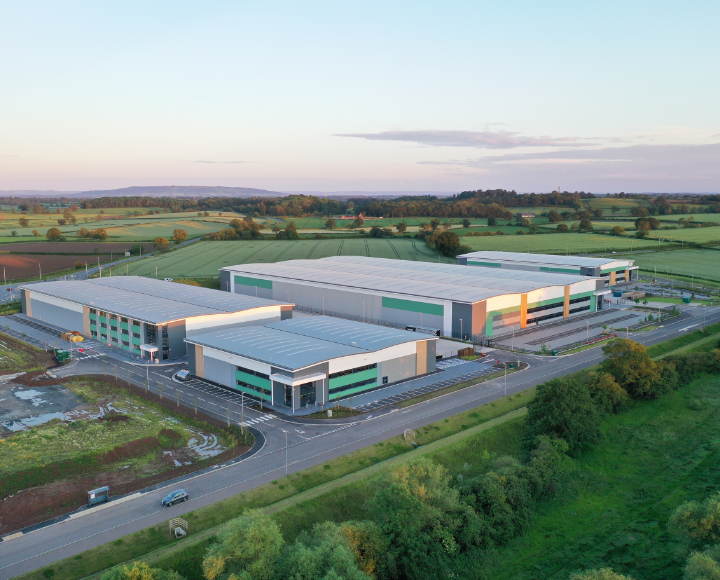
A leading industrial manufacturer invested in a purpose-built, 500,000-square-foot facility designed to support its highly specialized operations. The property represented a significant capital investment and included unique construction features tailored specifically to the owner’s manufacturing processes.
As is common with owner-occupied industrial facilities, the building incorporated design elements, infrastructure, and operational components that helped the business function efficiently but did not necessarily translate directly to taxable real estate value. Shortly after construction, the company became concerned that its property assessment did not accurately reflect the property’s market value and sought assistance evaluating the assessment.
Challenge
Following construction of the facility, the local assessing authority relied heavily on permit and cost-to-build information to establish the property’s assessed value. While construction costs can provide valuable context, many of the costs associated with this project reflected specialized assets, operational requirements, and owner-specific improvements rather than market-supported real estate value.
As a result, the assessment appeared to overstate the value of the taxable real estate. If left unaddressed, the valuation could create a significant property tax burden not only in the current year but also in future years, as assessments for large industrial facilities often serve as the foundation for future valuations.
Solution
DMA conducted a comprehensive review of the property’s assessment and underlying valuation methodology. The team analyzed how construction costs were being interpreted and identified areas where permit and development costs were being treated as direct indicators of market value.
Working collaboratively with the assessing authority, DMA participated in multiple discussions to explain why construction costs should not automatically translate to assessed value on a dollar-for-dollar basis. The team demonstrated that various costs captured during development reflected specialized components and investments that were unique to the owner’s operations rather than the taxable real estate itself.
By providing market-based valuation support and educating the assessor on the property’s unique characteristics, DMA helped establish a more appropriate framework for determining value.
Result
DMA successfully secured a substantial reduction in the property’s assessed value, generating:
- More than $1.2 million in estimated property tax savings over two years
- A more accurate and sustainable assessment baseline for future tax years
Beyond the immediate savings, the corrected value established a stronger foundation for future assessments. Because industrial property assessments often influence future valuation decisions, the client is expected to benefit from the adjustment for years to come.
Why DMA?
Complex industrial facilities require more than a standard assessment review. DMA combines extensive property tax expertise with an understanding of how specialized manufacturing assets are designed, developed, and valued. By identifying when construction costs, permit data, or unique facility features are improperly reflected in an assessment, DMA helps owners pursue fair and defensible valuations that can generate meaningful long-term savings.

Does Your Property’s Assessment Accurately Reflect Market Value?
Whether you’re developing a new facility, expanding operations, or reviewing a recent assessment, DMA’s property tax professionals can help identify opportunities, evaluate valuation methodologies, and advocate for fair treatment. Contact DMA today to discuss your property tax strategy and uncover potential savings opportunities.
This website content should be used for general informational purposes only, and not as a substitute for consultation with professional tax, legal, or other competent advisors.
Before making any decision or taking any action based upon information contained on this website, you should consult with a DMA professional.